Industrial Hydraulic Hose Repair in Jamestown NY: Tips
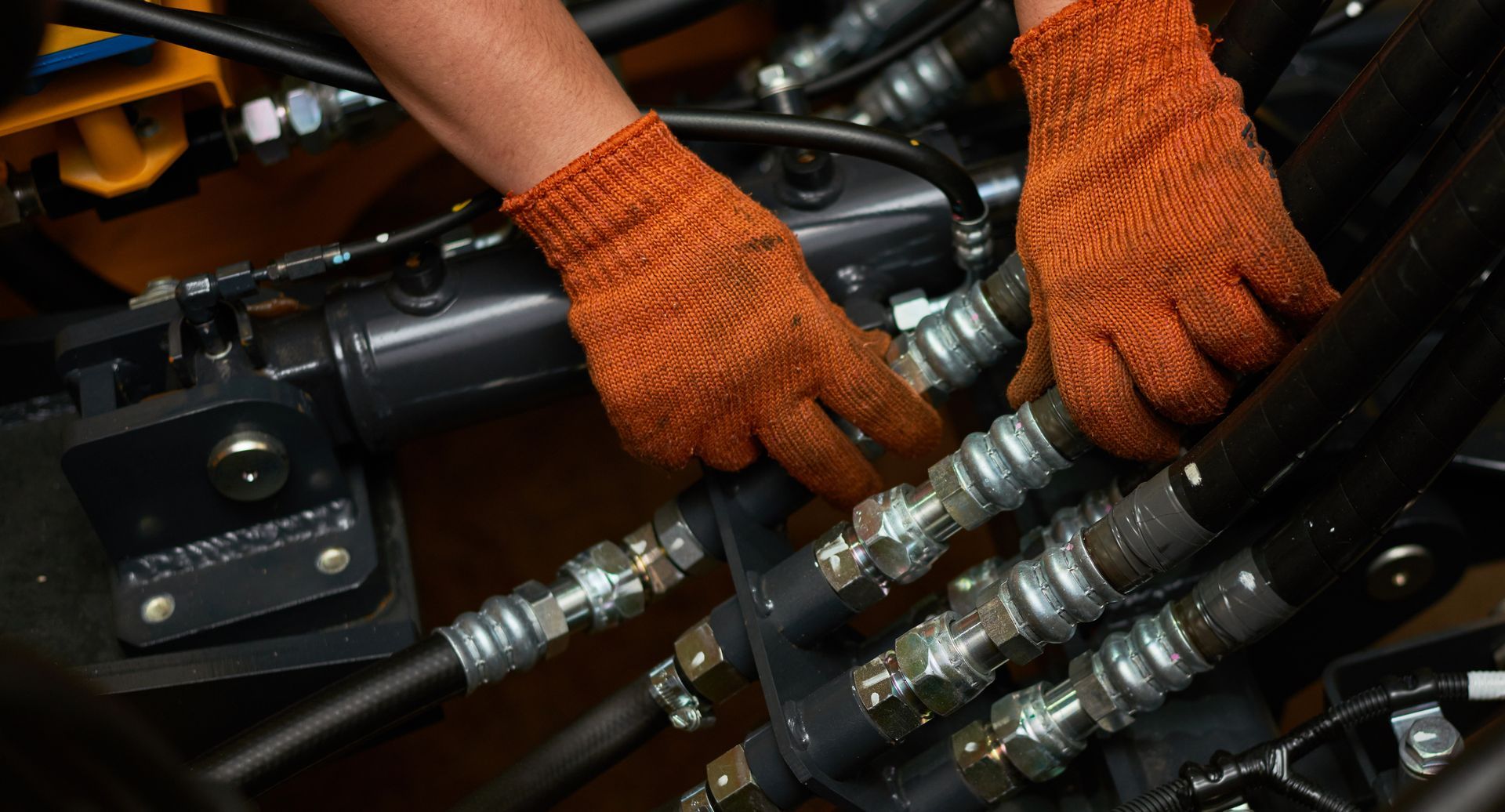
Industrial equipment relies on strong, reliable hydraulic hoses to keep operations running safely and efficiently. When a hose fails, businesses face downtime, safety risks, and expensive repairs. That is why choosing the right components matters when planning industrial hydraulic hose repair. If you need dependable support, a professional team can help guide you through hose selection, fittings, and installation. Contact us today at (716) 684-1703 to get help from Ferry Hydraulics.
A well-built hydraulic system depends on the correct hose type, proper pressure ratings, and strong fittings. Using the wrong parts can weaken performance or lead to early failure. Understanding these details helps you make informed choices and keep your equipment protected.
Why Hose Quality Matters for Industrial Equipment
Hydraulic hoses handle high pressure, heavy workloads, and constant movement. A low-quality hose or a hose that does not match the system requirements can cause leaks, bursts, or overheating. When pressure builds beyond what a hose can support, failure is almost guaranteed.
A professional offering industrial hydraulic hose repair will guide you through choosing materials that fit your equipment. Not all hoses are built the same, and matching equipment specifications is key to safe operations. High-quality hoses support:
- Better pressure control
- Longer service life
- Safer working conditions
- Reliable performance
Investing in the right parts saves money in the long run by reducing downtime and limiting emergency repairs.
Understanding Pressure Ratings
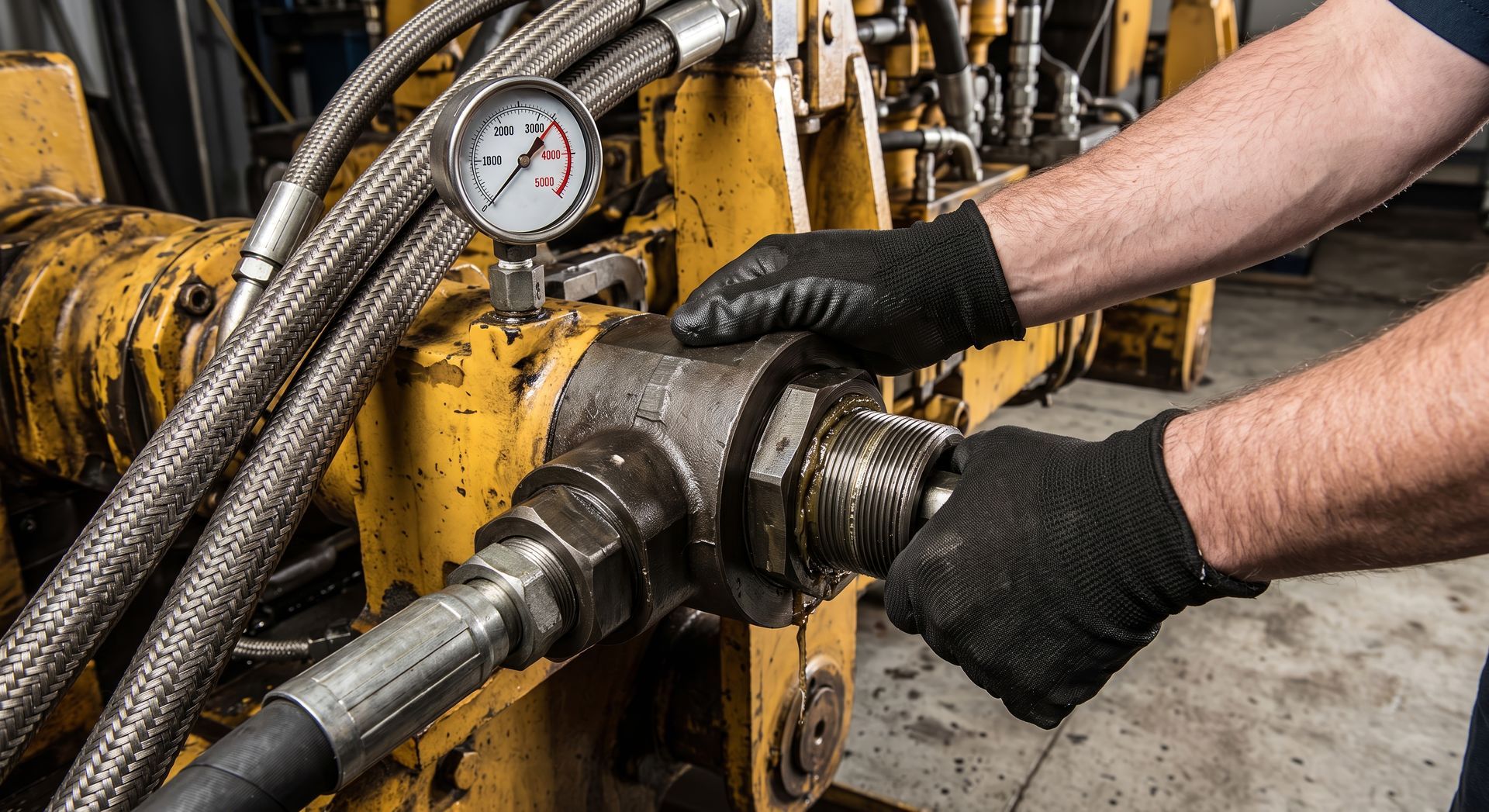
One of the most important parts of hose selection is pressure rating. Each hose has limits based on the material, reinforcement layers, and size. If a hose is used beyond its rating, failure happens quickly.
Working Pressure
This is the maximum pressure the hose can safely handle during regular use. It must match or exceed the pressure of your equipment.
Burst Pressure
Burst pressure is the point at which the hose will fail. Good practice is to choose a hose with a burst pressure at least four times higher than the working pressure.
Pressure Spikes
Some machines experience sudden pressure increases. These spikes can damage hoses that are not rated to handle them.
A technician trained in hydraulic hose repairs will evaluate your system to make sure the hose can safely handle both regular pressure and unexpected spikes.
Material Choices for Industrial Hoses
Hydraulic hoses come in several materials. The best choice depends on the equipment, the environment, and the type of fluid used.
Rubber Hoses
Rubber is flexible and works well for heavy-duty systems. It performs reliably in extreme temperatures and demanding industrial environments.
Thermoplastic Hoses
These are lightweight and resist abrasion. They are commonly used in mobile equipment or tight spaces.
PTFE Hoses
PTFE hoses handle high temperatures and harsh chemicals. They are useful for systems with specialty fluids or sensitive environments.
Choosing the wrong material may lead to swelling, cracking, or chemical breakdown. Material compatibility is a key part of long-term performance.
Why Fitting Selection Is Just as Important
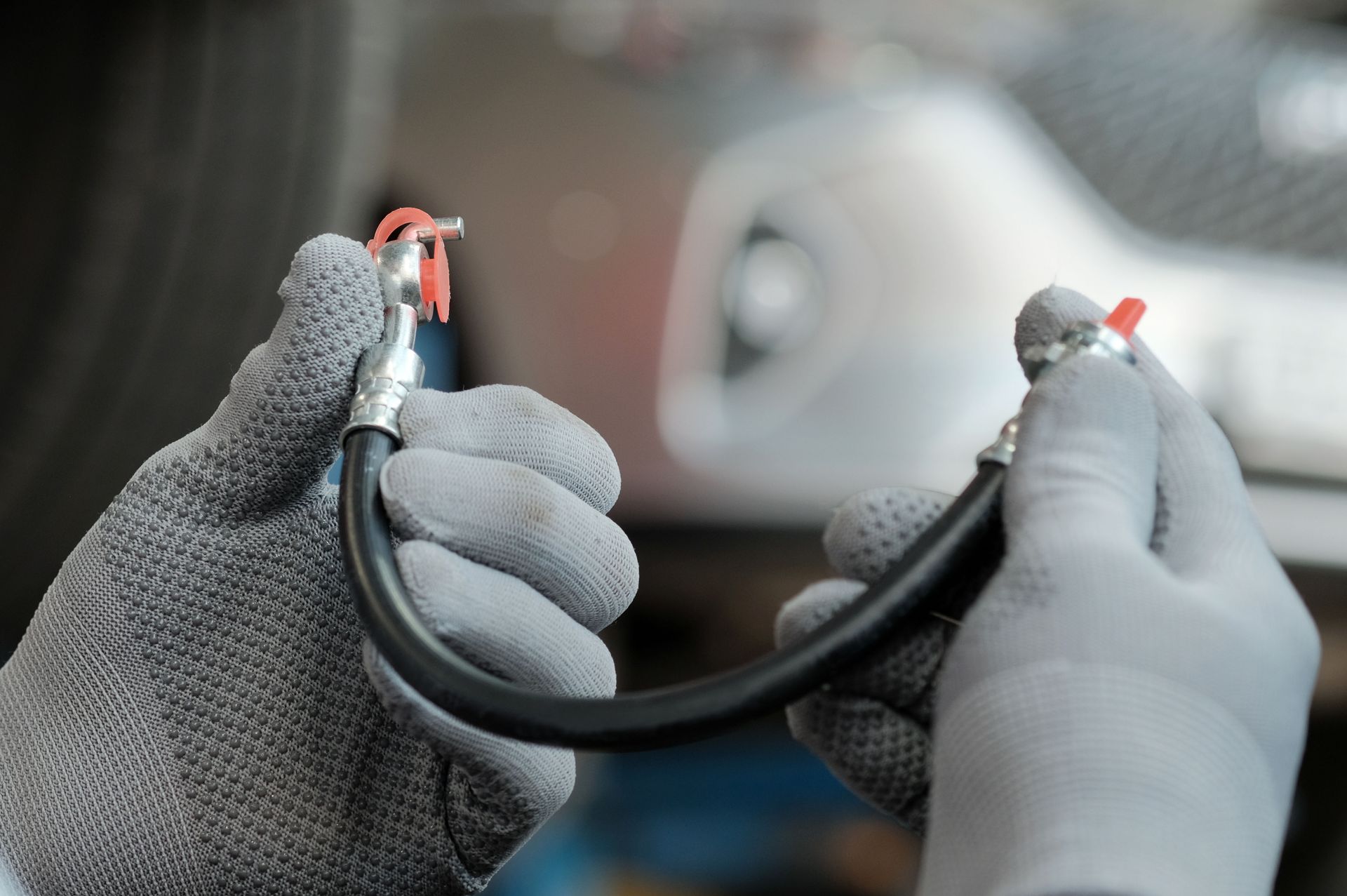
Hoses are only half of the system. Fittings secure the hose and create a sealed connection. Even the strongest hose will fail if the wrong fitting is used.
Thread Type
Hoses and equipment use different thread types. Mixing incompatible threads can cause leaks or stripped connections.
Size Matching
Fittings must match the hose diameter exactly. A loose fit reduces sealing strength. A tight fit can damage the hose.
Material Strength
Fittings are made from metals such as steel, brass, or stainless steel. The right choice depends on pressure and fluid type.
Crimping Accuracy
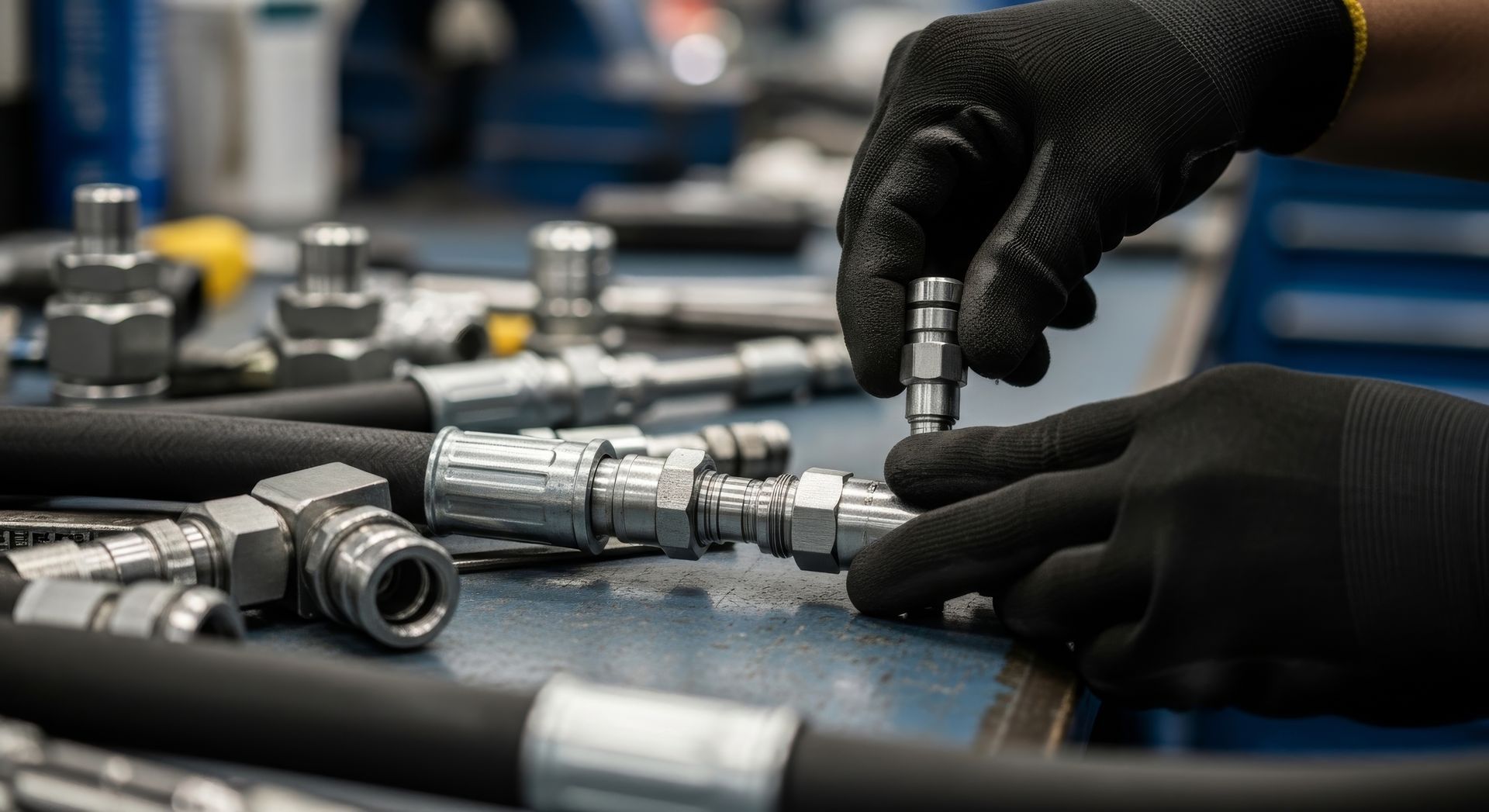
Crimping is the process of securing the fitting. Incorrect crimping can cause the hose to slip or burst.
A professional shop ensures your fittings match your hose, equipment, and pressure rating. Poor fitting selection is one of the main causes of hydraulic hose failure.
How Correct Parts Impact Safety and Performance
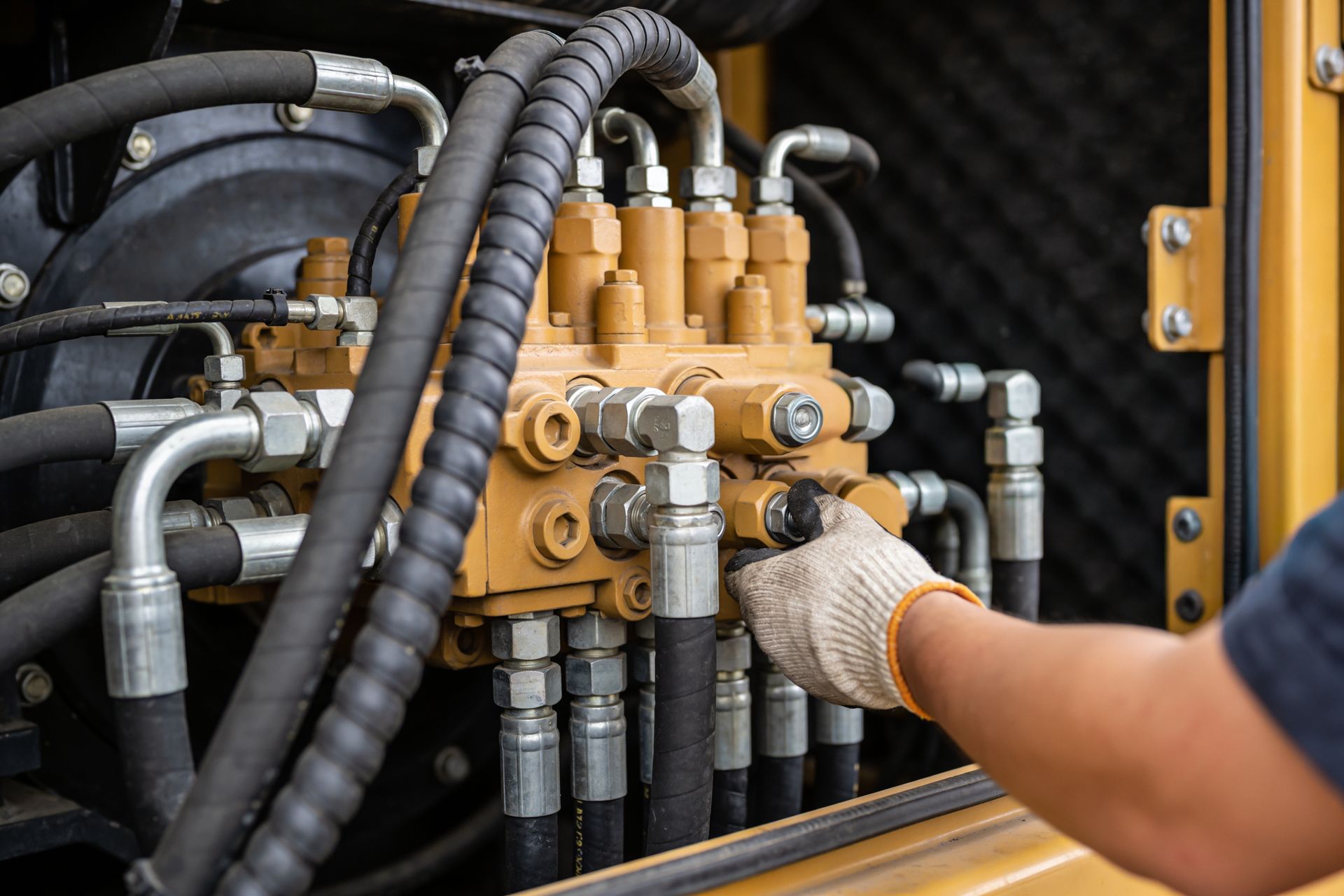
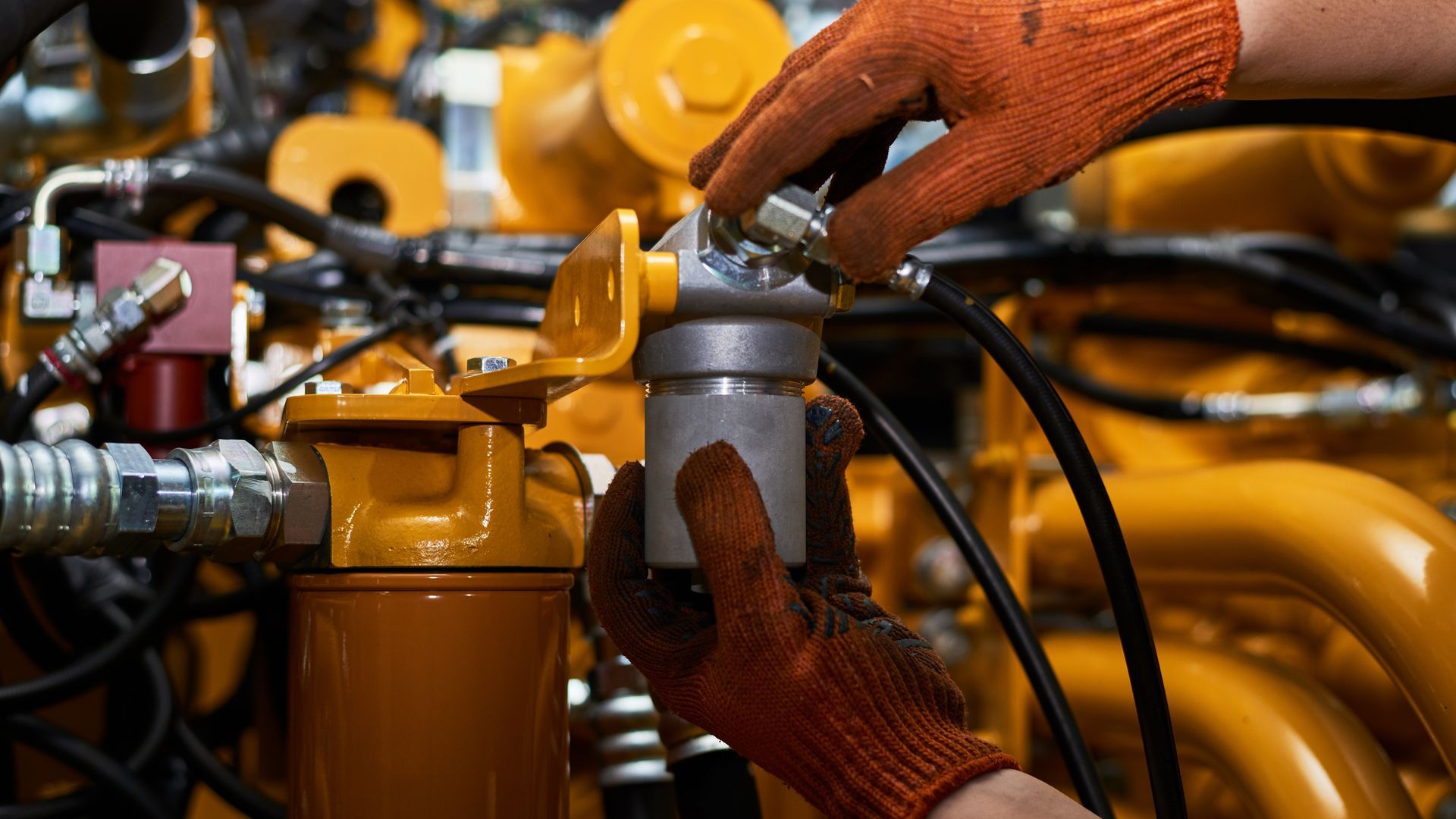
Using the right parts creates a safer work environment and protects your equipment. When hoses and fittings are matched correctly, they reduce the chance of leaks or bursts that can injure workers or damage machinery. This is why working with an industrial hydraulic hose repair professional is important for choosing components that support long-term safety and reliable performance.
Benefits of correct parts include:
- Improved safety
- Stronger lasting hoses
- Fewer breakdowns
- Smoother machine performance
- Less fluid waste
- Lower repair costs
This is why choosing a trusted industrial hydraulic hose repair team is important. They understand how each part functions within the entire system.
Common Hose Problems Caused by Incorrect Parts
When parts do not match system demands, problems appear quickly.
Hose Abrasion
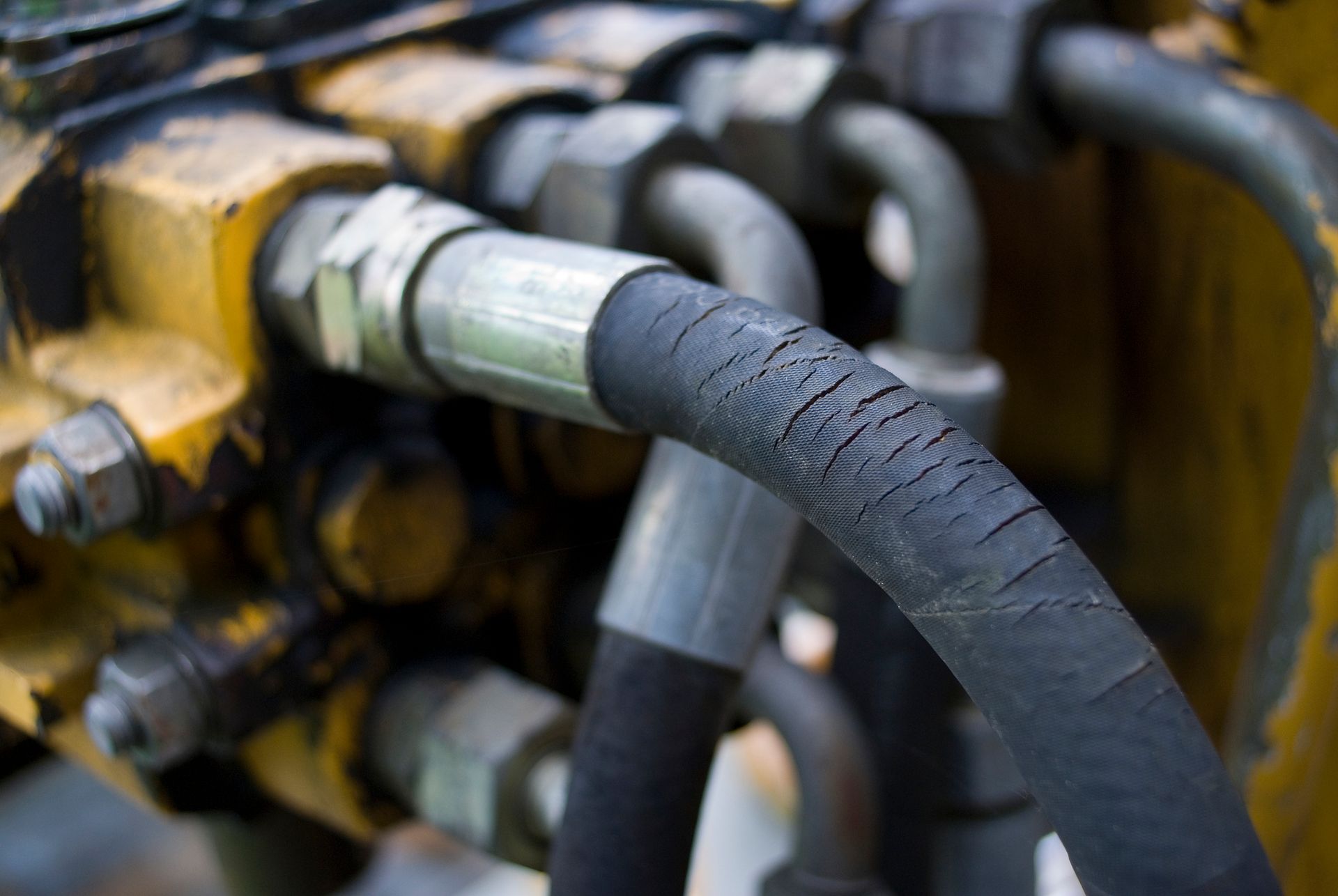
A hose that is too stiff or too long may rub against equipment, causing early wear.
Leaks
Leaks often occur when fittings are mismatched or not crimped correctly.
Burst Failure
If a hose has a lower pressure rating than the system requires, it can burst during use.
Overheating
Incorrect material choices can cause swelling or breakdown when exposed to heat.
Preventing these issues begins with selecting the right hose type, fittings, and pressure rating.
Why Choose Ferry Hydraulics?
Ferry Hydraulics provides hose assemblies and hydraulic hose repairs for businesses operating in the Jamestown area. The team focuses on accurate measurements, reliable materials, and expert installation. Clients choose Ferry Hydraulics because the team offers:
- Quality hose materials
- Proper fitting selection
- Safe, precise crimping
- Quick turnaround times
- Professional guidance
- Reliable customer support
If you want more information about hose assemblies, check our hydraulic hose assemblies services in Jamestown, NY.
Get Reliable Hydraulic Support Today
Hydraulic hose repair is more than replacing a damaged part. It requires understanding pressure ratings, materials, and fittings. When each piece is chosen correctly, your equipment runs safely and efficiently. A skilled technician providing industrial hydraulic hose repair ensures your repair is built to last. Call us at (716) 684-1703 now for help or send us a message to get started today in Jamestown, NY.