Hydraulic Hose Replacement vs. Repair: How Buffalo, NY, Industrial Operators Should Decide in 2026
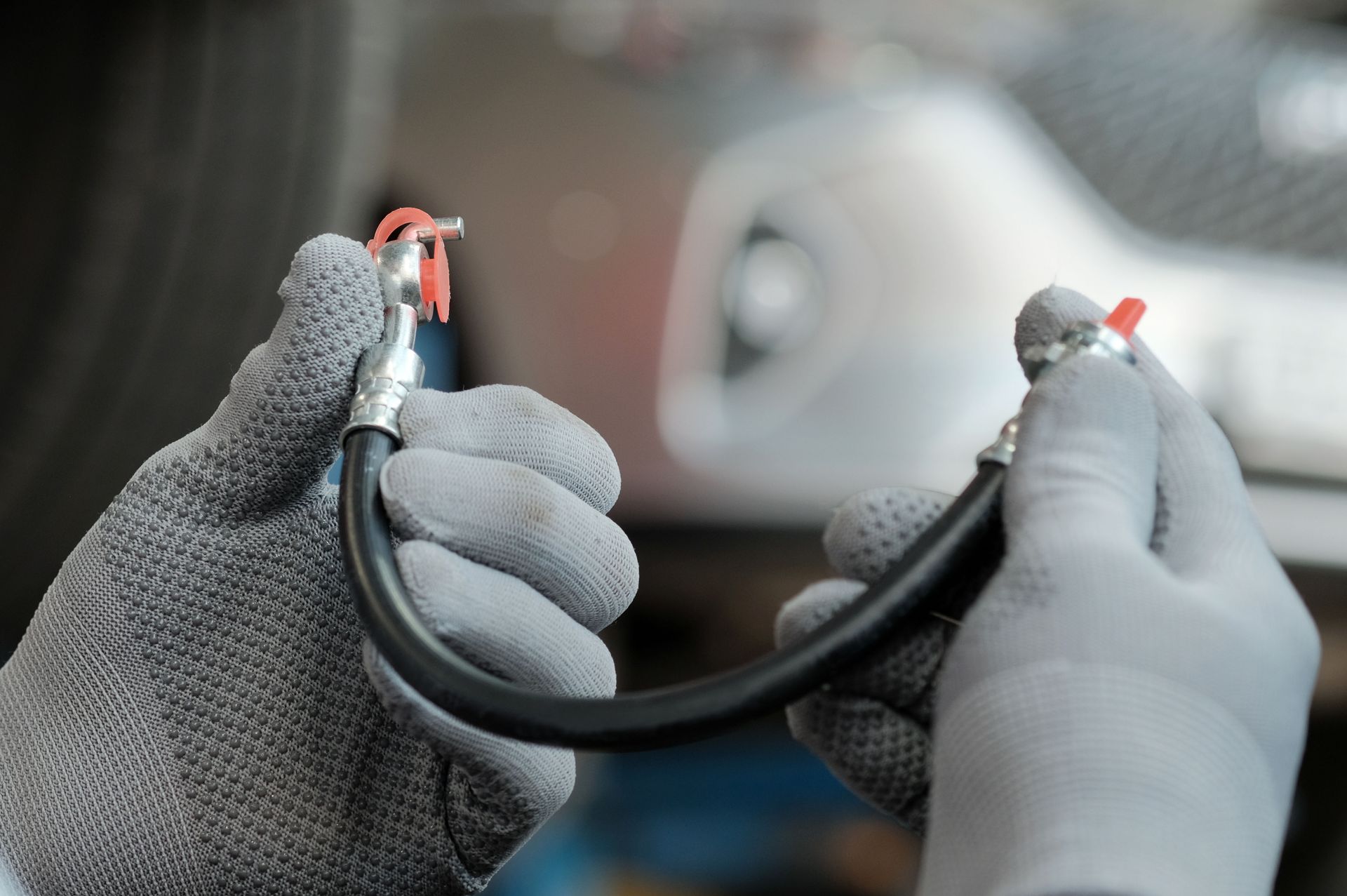
Deciding between hydraulic hose replacement and repair is one of the most consequential calls an industrial operator can make. For businesses in Buffalo, NY, getting it wrong means downtime, damaged equipment, and safety hazards that outweigh any short-term savings. This guide covers when a full replacement is the smarter move, when repair may suffice, and how to frame the decision around keeping your operation running.
The Core Difference Between Repair and Replacement
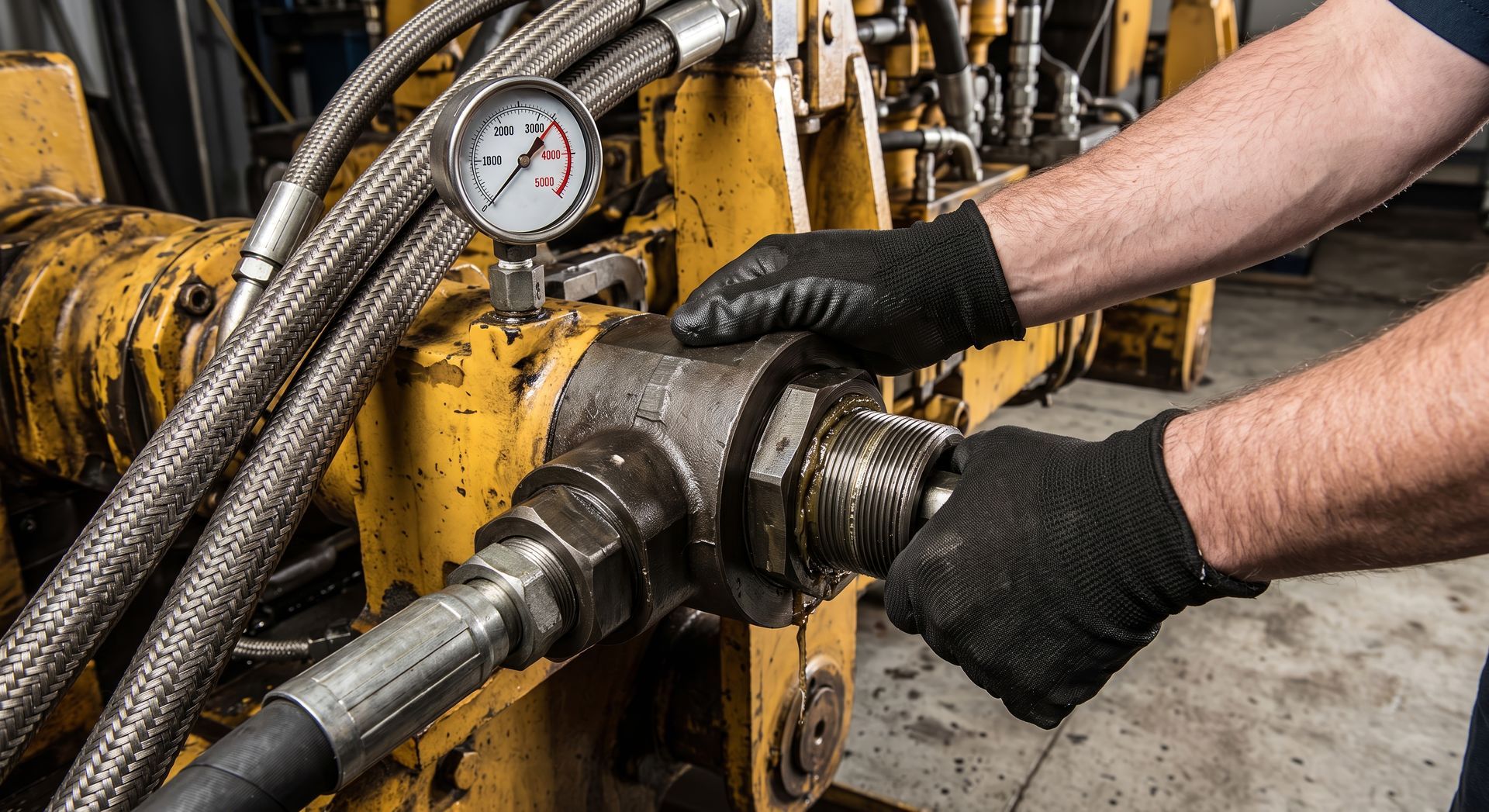
Repair addresses a specific, isolated problem on a hose that is otherwise in good condition. Replacement swaps out the entire assembly, typically because the hose has reached the end of its service life or sustained damage a spot fix cannot safely address.
A repaired hose that fails days later costs far more than a replacement would have the first time. That math holds in heavy industrial settings around Buffalo, NY, where forklifts, cranes, and skid steers run hard through demanding production schedules.
5 Signs You Need Hydraulic Hose Replacement, Not Just Repair
Replacement is often the right call. Here are five conditions that typically point toward a full swap:
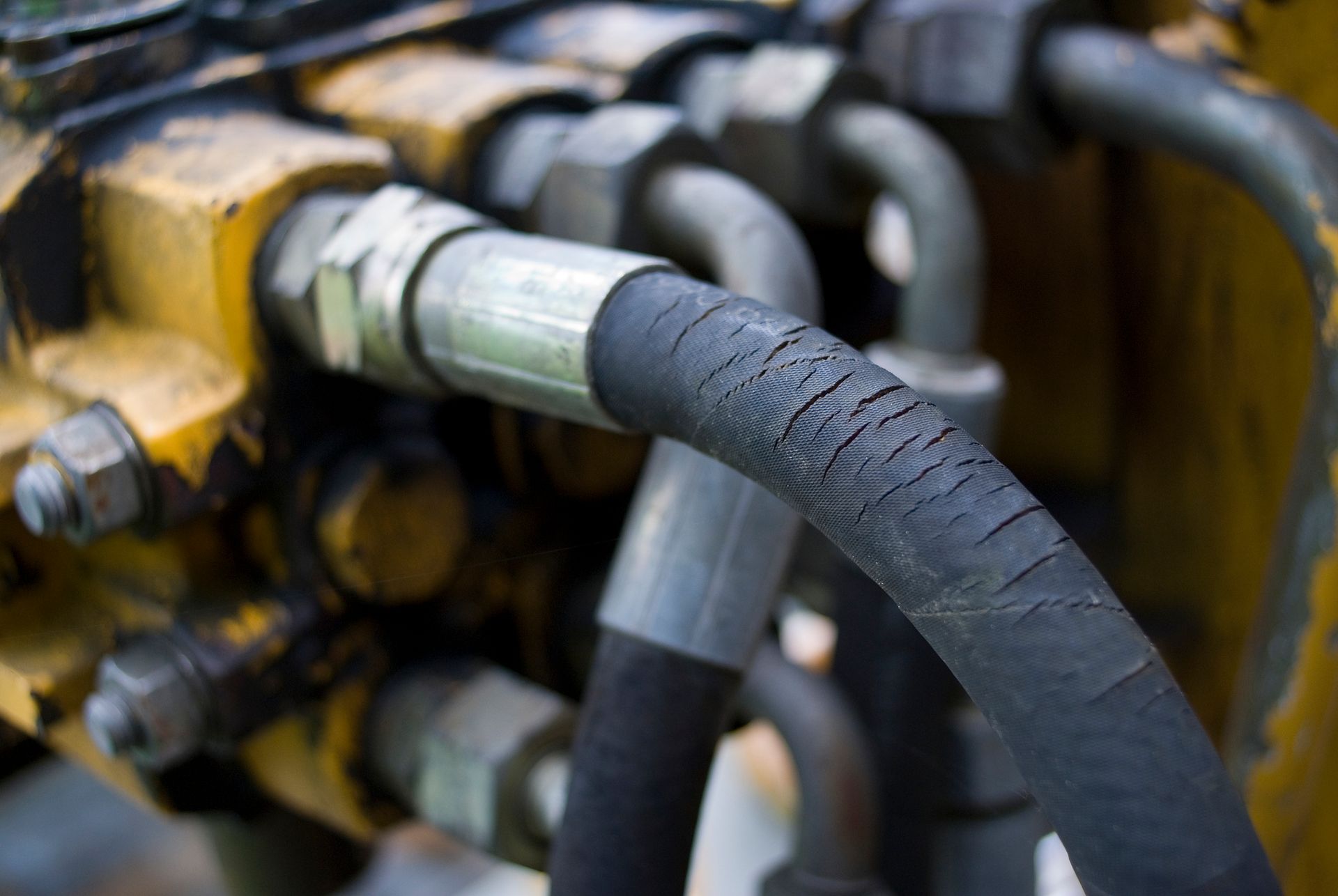
▸Visible outer cover damage that exposes the inner reinforcement layer, since the hose structure is already compromised.
▸Multiple soft spots or bulges along the hose length, which indicate internal tube breakdown that no external repair can reverse.
▸A hose that has exceeded its recommended service interval, typically around five to seven years, depending on the application and manufacturer specifications.
▸Repeated failures at the same location, suggesting the root cause is hose degradation rather than a one-time event.
▸Hose assemblies that no longer meet the pressure rating required by your current system, especially after equipment upgrades or load increases.
If any of these apply, a repair is likely to be a short-term fix that creates a longer-term liability.
Factors That Shape the Repair vs. Replace Decision
Several variables influence which path makes more sense for your equipment.
Hose Age and Service History
Older hoses, even ones with no visible damage, may be closer to failure than they appear. The inner tube degrades from the inside out due to fluid incompatibility, heat cycling, and pressure fatigue. With no documented service history, erring toward replacement is safer.
Type and Location of Damage
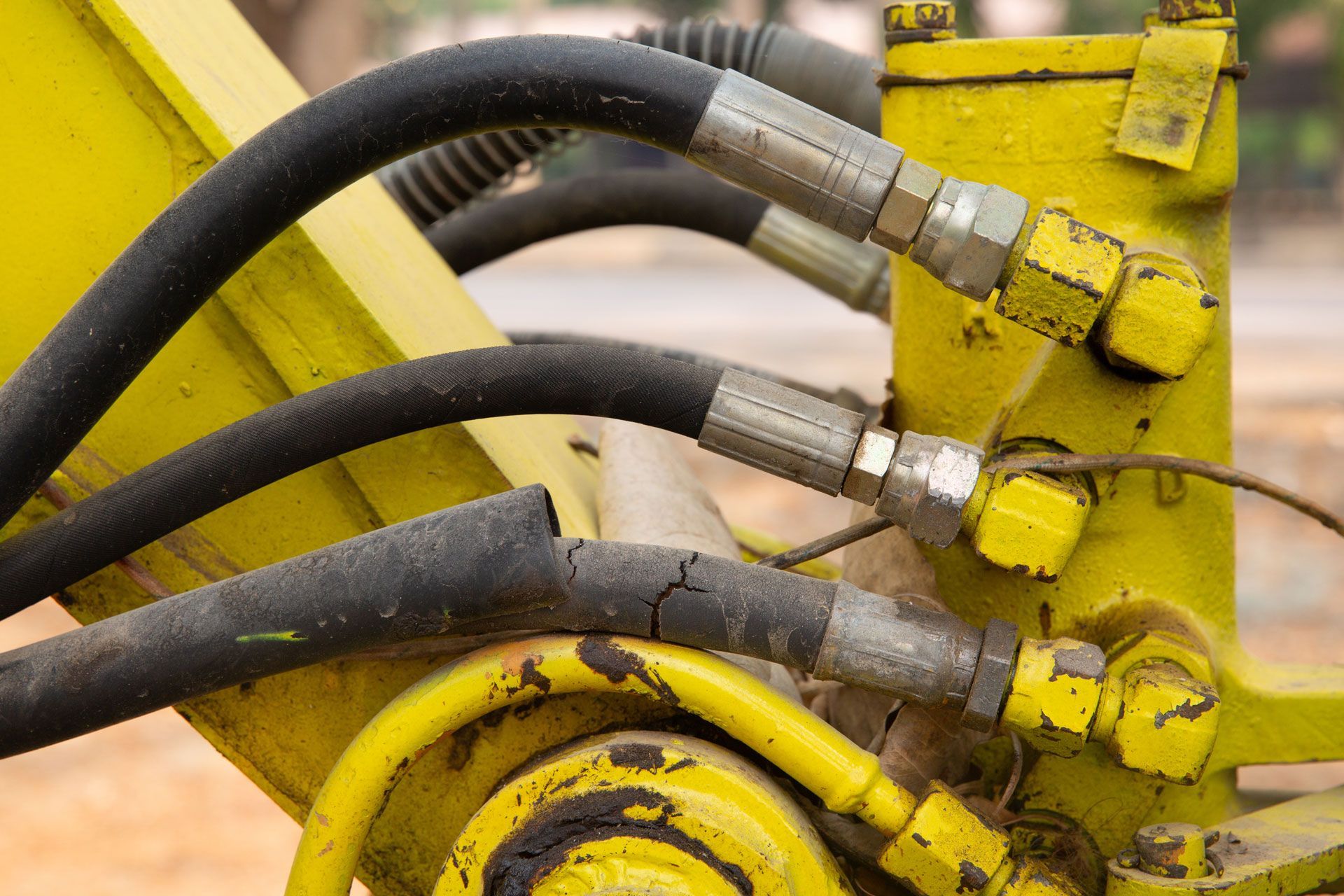
A clean cut near a fitting is often repairable with the right ferrule and fitting swap. Damage in the middle of the hose run, abrasion-through damage, or any sign of kinking usually calls for full replacement. Kinks permanently weaken the hose wall, and no repair restores that original integrity.
Pressure Rating Compatibility
Hydraulic systems in manufacturing and construction environments can operate at high pressures. Any hose used after a repair must still meet the original system pressure rating. If the replacement fitting or splice reduces that rating, the assembly is no longer safe for use and should be replaced entirely.
The Downtime Calculation Buffalo Operators Can't Ignore
Every hour of unplanned downtime carries a real cost. Idle workers, missed production targets, and delayed deliveries add up fast. Western New York manufacturers and contractors run on tight margins and tighter schedules, especially during the busy spring and summer construction season.
Framing the repair vs. replace decision around downtime risk rather than upfront cost often changes the outcome. A repair that takes three hours and fails again within a week has effectively doubled your downtime. A replacement done right the first time, using properly rated hose and fittings, can eliminate that recurring vulnerability.
Buffalo's industrial sector spans food processing on the East Side, manufacturing in Cheektowaga and Tonawanda, and heavy construction throughout Erie County. Each environment stresses hoses differently, from chemical exposure in food processing lines to abrasion and UV on outdoor equipment, so the right spec for one application may be wrong for another.
When Repair Is Still the Right Call
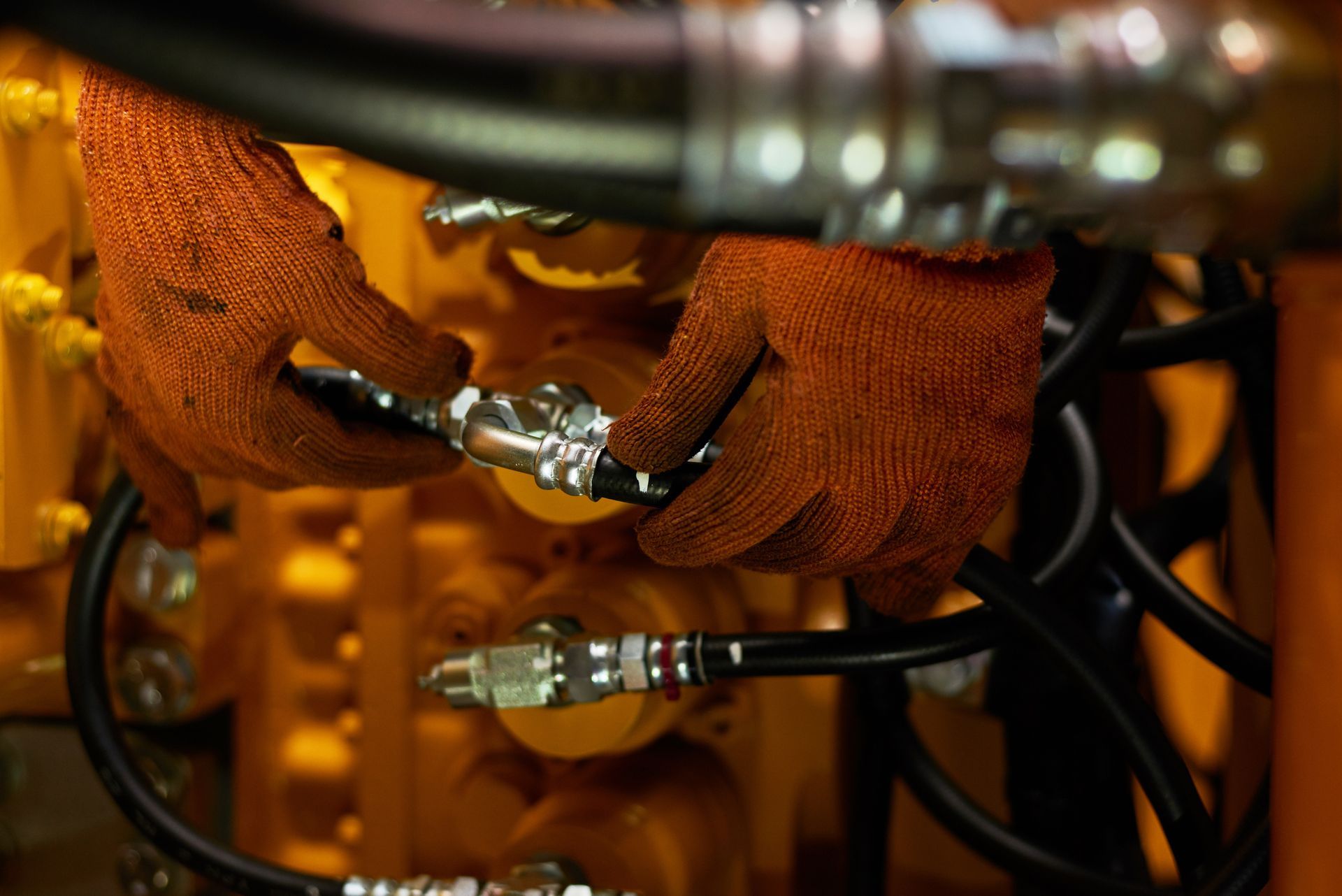
Repair can be appropriate when the hose is relatively new and the damage is isolated, such as a single fitting leak from improper installation. It also makes sense as an emergency measure to get a machine running while a replacement assembly is prepared. If any doubt remains about the hose's condition, treat the repair as temporary.
What About Emergency Hydraulic Hose Repair?
Emergency repair has its place. When a hose fails mid-shift and you need equipment back online fast, a field repair bridges the gap. But any hose repaired under emergency conditions should be inspected and likely replaced once a proper assembly is available.
Make the Right Call for Your Equipment in Buffalo, NY
Hydraulic Hose Replacement in Buffalo, NY, does not have to mean extended downtime or complicated sourcing. Ferry Hydraulics provides industrial operators throughout the Buffalo area with fast, professional hose replacement and repair services, backed by a large in-stock inventory and technicians with deep hydraulic expertise. Whether you need a single hose assembly or ongoing support for a full equipment fleet, the team is ready to help you make the right call every time.
Call (716) 684-1703 to speak with a technician, visit the hydraulic hose replacement page for service details, or reach out through the contact page to request service. You can also find Ferry Hydraulics on Google to read reviews and confirm hours before your next call.