Hydraulic Hose Repair Service for Jamestown Job Sites: How to Prepare Equipment
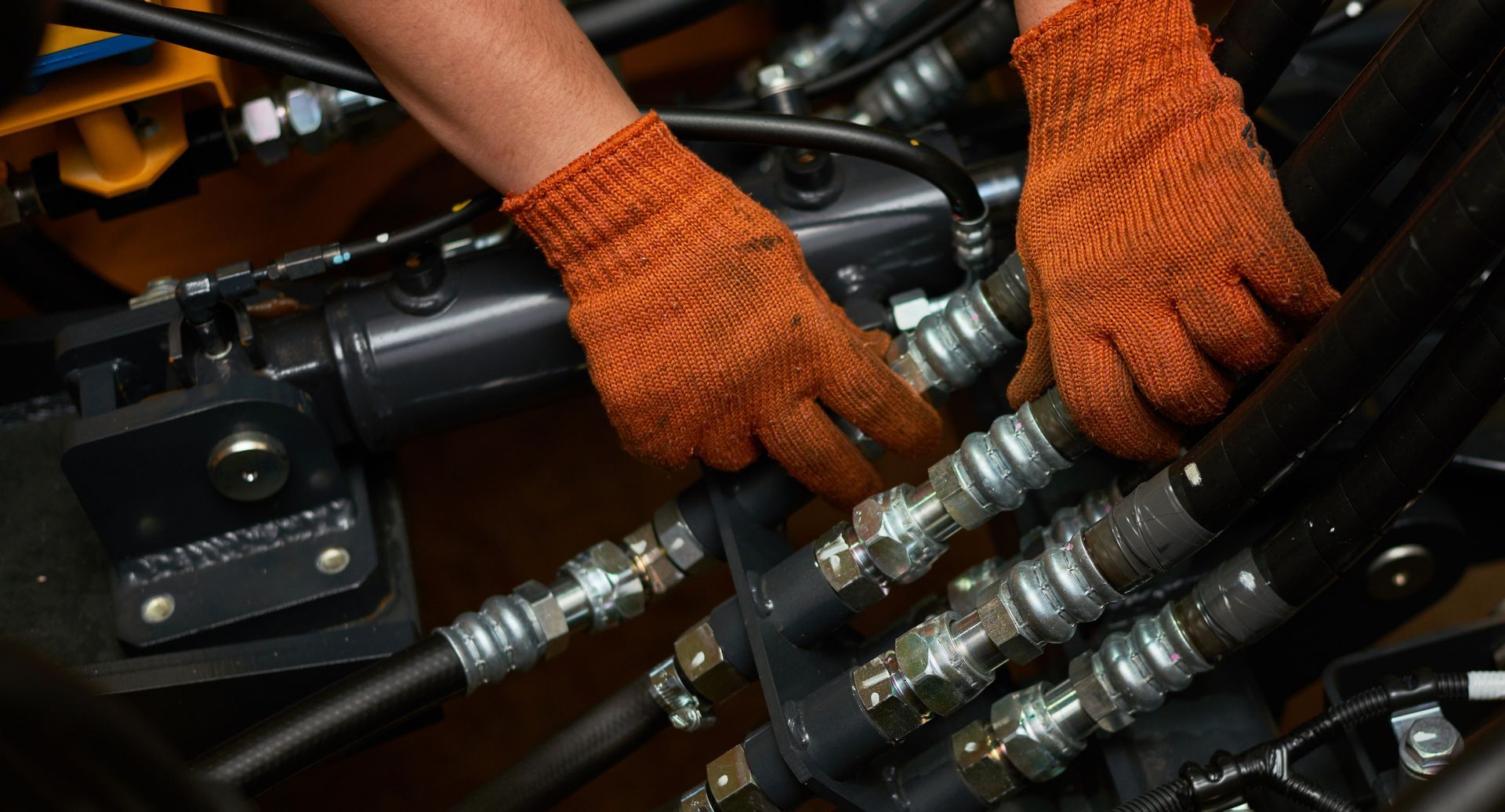
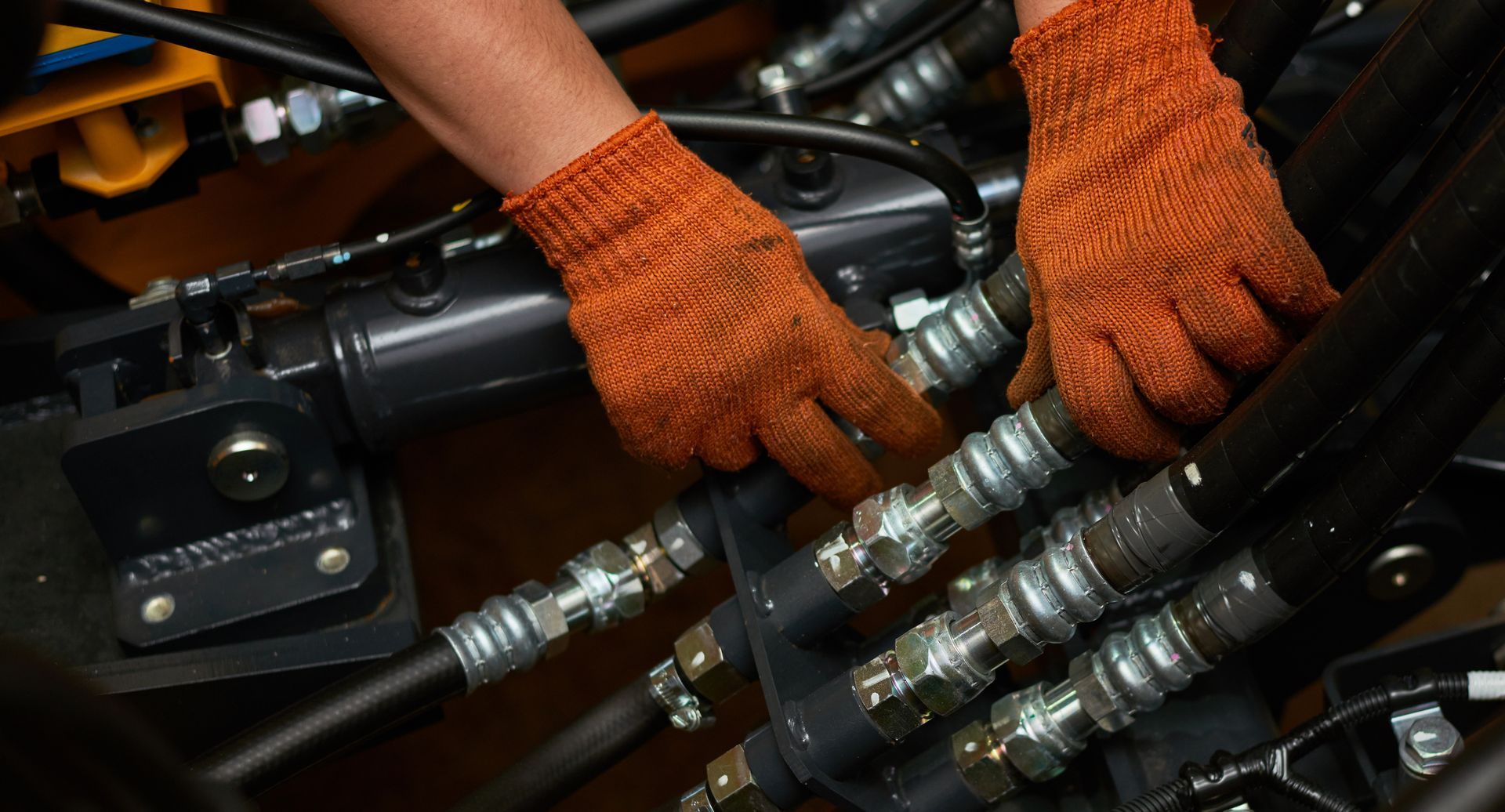
A hydraulic hose repair service in Jamestown, NY, is often needed where the equipment sits, not in a shop. This guide explains how to prepare a machine for a repair visit, what the work crew needs on site, and when it makes more sense to bring the hose to the shop.
When a Site Visit Makes Sense
Some machines cannot be moved easily. Large trucks, plows, loaders, and stationary plant equipment often stay where they work, and a hose failure at the job site can stop the whole crew. In those cases, a repair visit can keep the machine out of a trailer and back at work sooner. A hydraulic hose repair service in Jamestown, NY, can often start with a quick call and a few photos, which helps the provider decide before anyone travels to the site.
Not every repair is a site job. Small hoses, long assemblies, and parts that need a full rebuild are often easier to handle in a shop. Ask the repair provider which option fits the failure before the visit is booked.
Shut Down and Relieve Pressure Before the Technician Arrives
Safety comes first. Hydraulic systems hold pressure even after the engine stops, so the machine must be prepared before anyone touches a hose.
- Shut down the machine and follow your lockout procedure.
- Relieve pressure in the circuit using the manufacturer's method.
- Let hot oil cool before handling the hose or fittings.
- Keep the failed hose and its fittings for reference.
- Clear the area around the repair point so the technician has room to work.
Gather the Equipment Details
A technician works faster when the basic details are ready. Write down the machine make and model, the serial number if it is on the plate, and the operating pressure if the manual lists it. Note the fluid type, the hose length, and the fitting style at each end.
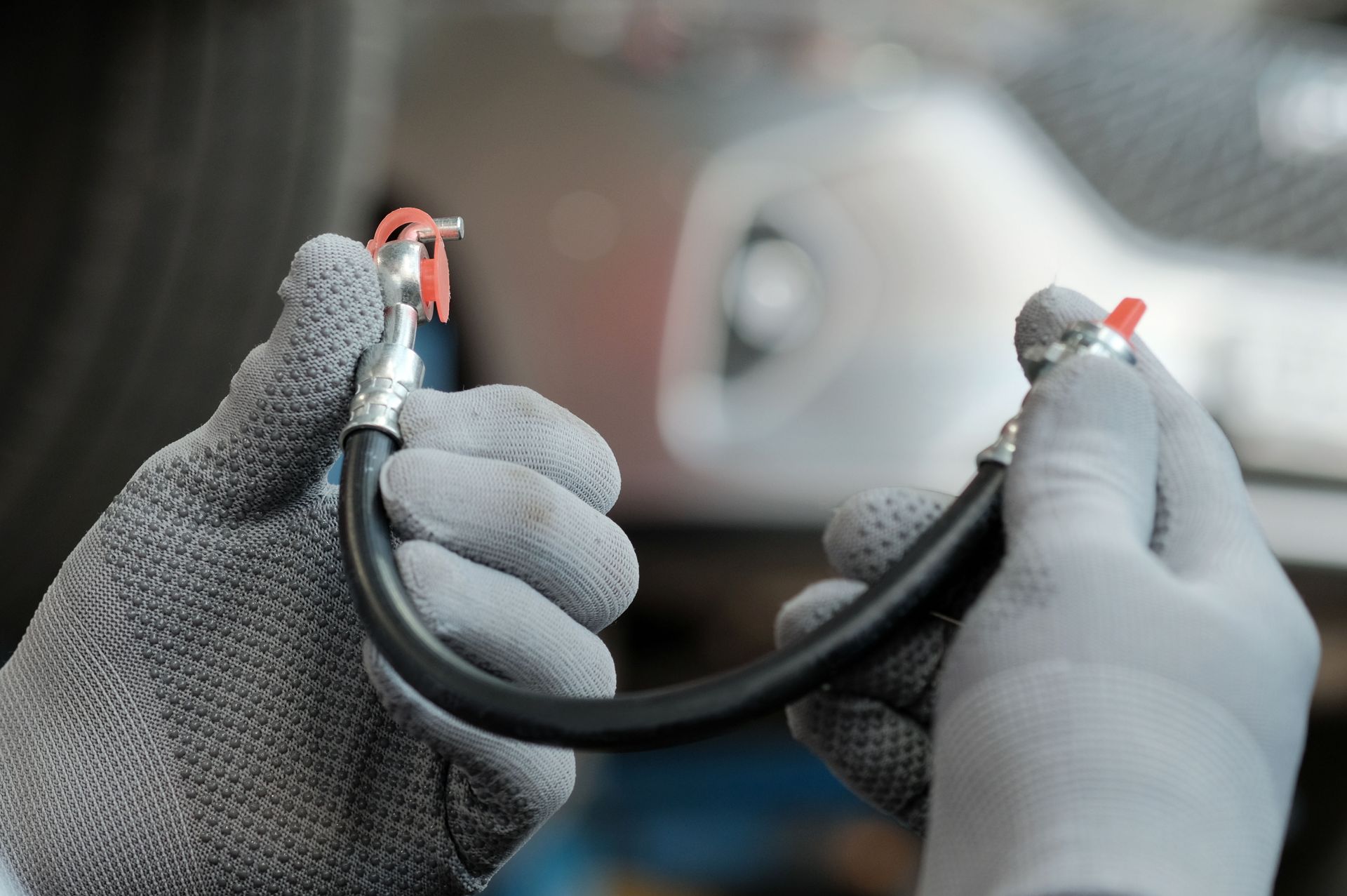
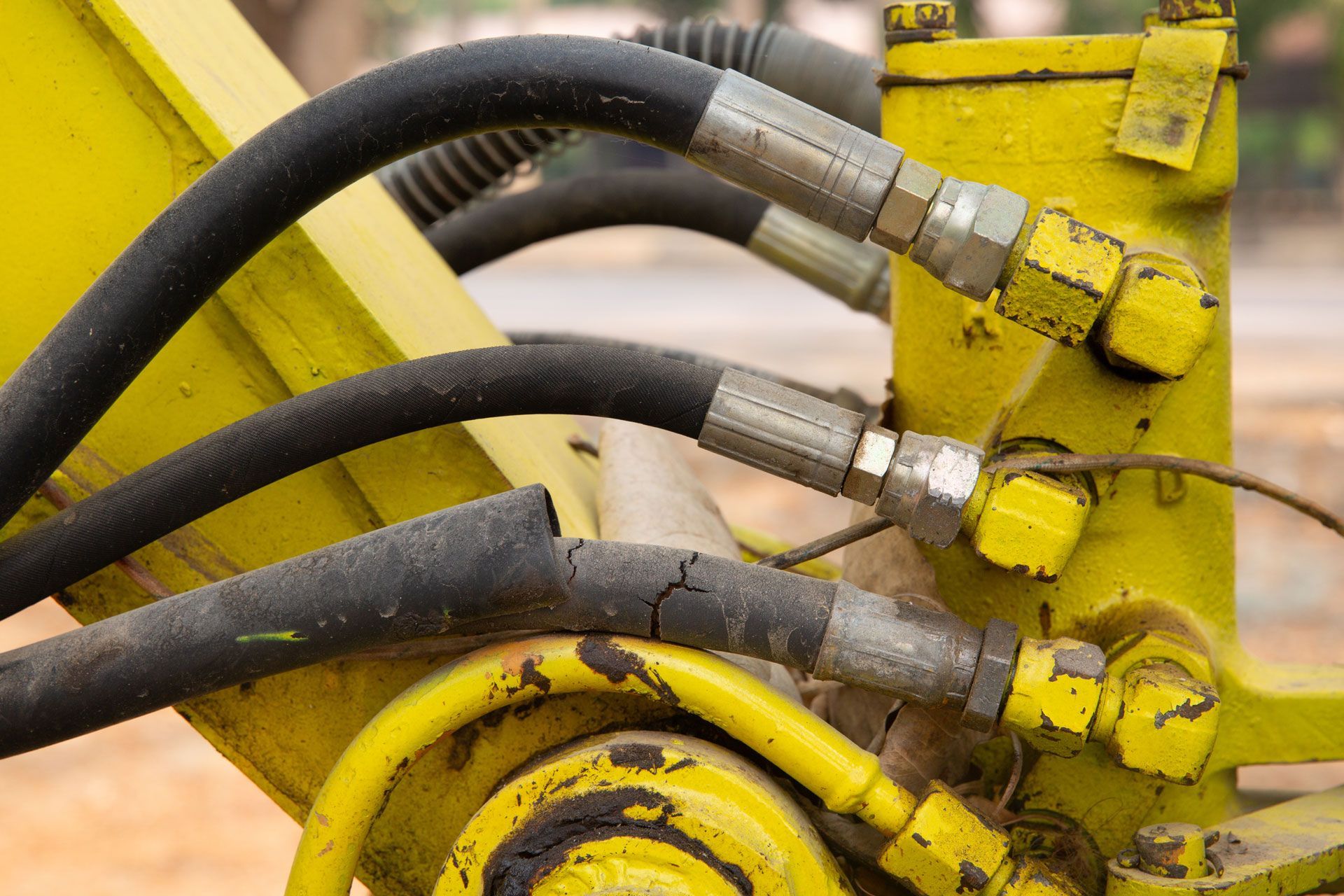
These details let a hydraulic hose repair service plan the visit correctly. Photos help too. A clear picture of the hose, the fitting, and the damaged section lets the provider check the right parts before the visit. Send the photos with the call so the crew can plan the work.
Clean and Protect the Work Area
Dirt is the enemy of a hydraulic repair. Clean the area around the fitting before the technician opens the connection, so grit does not enter the system. Place a drip pan under the connection to catch oil, and keep clean caps ready for open ports.
Weather matters as well. Wind, rain, and snow can make outdoor work slow and can expose open ports to contamination. When possible, move the machine into a covered area or a sheltered bay before the crew arrives.
Plan for Winter Conditions in Chautauqua County
Jamestown sits in Chautauqua County, where winter cold stiffens hose covers and makes them more likely to crack. Equipment that has sat outside overnight may need time to warm before the work can begin. Plan the visit for the warmest part of the day when that is possible.
Snow loads and slippery surfaces also make it harder to move heavy hoses safely, so the crew should plan a clear path and a dry staging area. Freeze-thaw cycles also wear fittings and seals. A repair done in winter should include a check of the surrounding connections, since a hose that fails in January often has other worn parts nearby.
What to Expect During a Repair Visit
A repair visit usually starts with a diagnosis. The technician checks the hose, the fitting, and the connection to the machine, then confirms the repair before any work begins. Once the repair is complete, the machine is checked before it returns to service.
Ask the technician to explain each step. A clear explanation helps the operator understand what was replaced, what was repaired, and what to watch for in the next few weeks. A good hydraulic hose repair service is judged by how quickly the machine returns to safe work, not only by how quickly the crew arrives.
When to Bring the Hose to the Shop
Some repairs are better done in a shop. A hose that needs a new fitting on each end, a long custom assembly, or a complete rebuild usually needs bench tools and a controlled space. A shop visit also gives the team time to match thread types and select the correct hose for the working pressure.
Shop work can be scheduled around the crew's calendar. For many operators, a shop visit saves time when the bench work is done in the shop and the machine stays in service on site. Ask whether the repair can be completed while the rest of the machine is being serviced, so the downtime is shorter.
Plan Your Hydraulic Hose Repair Service in Jamestown
Ferry Hydraulics, based in Depew, NY, can help Jamestown operators decide whether a repair is best handled on site or in the shop. Review the hydraulic repair service in Jamestown page for the repair options, or call (716) 684-1703. You can also use the contact page to send photos and details about the failure.